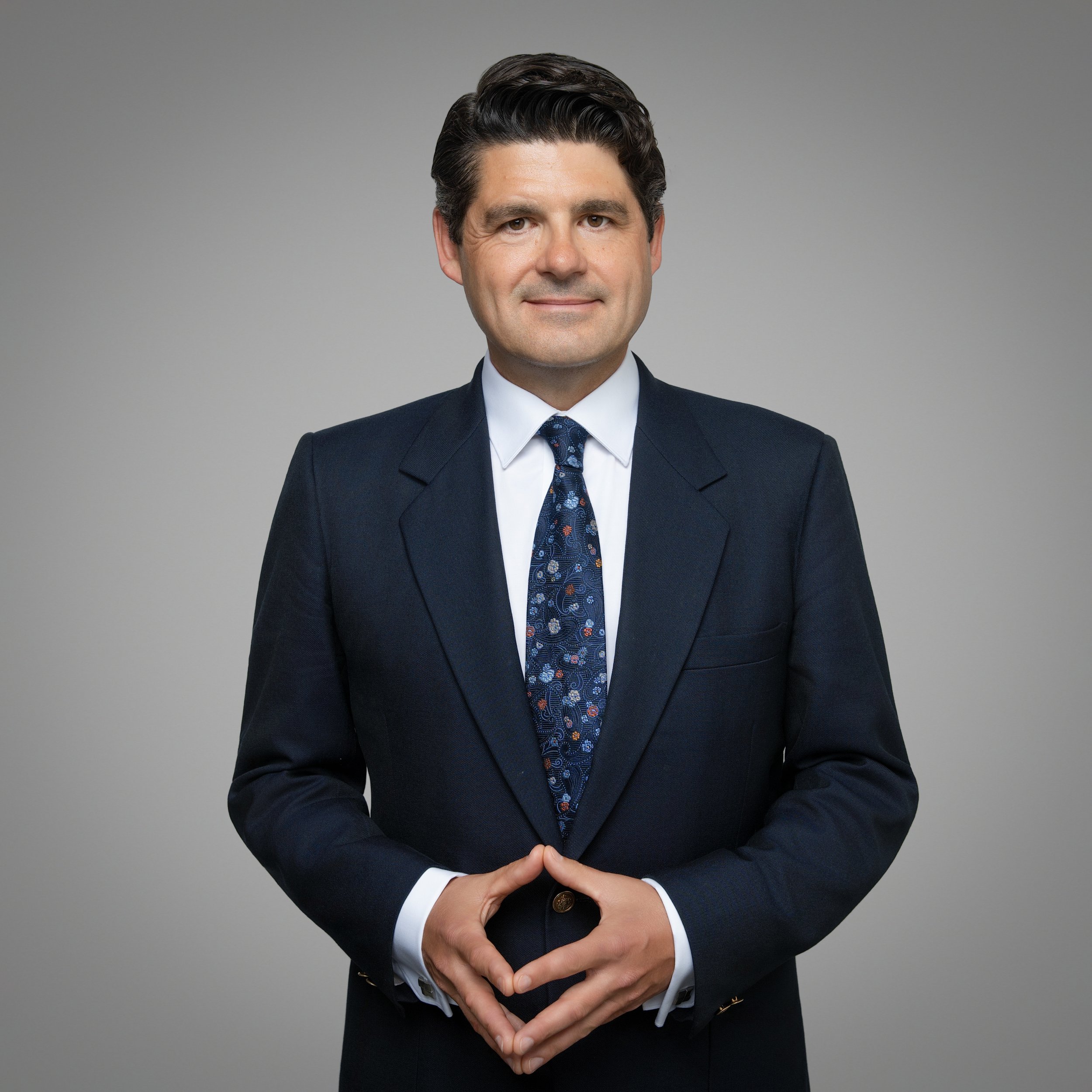
About Me
Over decades of teaching the CFA curriculum, I have worked with universities including the University of Exeter and the University of British Columbia, with institutional investors and with leading providers of CFA exam instruction, and founded and ran my own in-person training academy in western Canada. Thousands of candidates have passed through my classrooms. I became known for making the most difficult parts of the curriculum clear, especially derivatives, fixed income and currencies, and for showing candidates how best to answer Level III constructed response questions. For one of the world's largest sovereign wealth funds, I served as the in-house CFA Level III instructor, entrusted with bringing its own people through to the charter.
Yet the experience that shaped my work most came earlier. I failed out of university in my first year, at age 19.
That is not the usual story for a CFA charterholder, but that failure shaped everything that followed. I went back, and the 1990s became my foundation decade. I earned three degrees, among them an MPhil in Economics from Cambridge, and learned how to study well enough to approach the CFA exams with confidence. At 26, I began the CFA Program, passing every level at the first attempt, and on 17 September 1999 I earned the charter. I still remember exactly where I was when I opened the envelope. I did not fail the CFA exams, but I know what it is to fail an exam that matters, to feel a future slipping away, and to have to decide whether to try again. That early failure gave me a lasting compassion for anyone who is struggling.
My investment career began in 1997, as assistant to the Chief Investment Officer of a Canadian pension plan and later as an investment consultant with a British actuarial consultancy in central London. Those years were my apprenticeship: learning to apply what the curriculum teaches, and to keep learning long after the exams. They also shaped convictions I hold today: a strong belief in passive investment management, and that explaining concepts clearly to clients matters more than forecasting with elaborate, complex models. After earning the charter, I also attempted the UK actuarial exams, not for the challenge, but because I believed more letters would bring more credibility. I was wrong. Credibility comes from what you do with what you know. In 2002, after my last full-time role, I began teaching the CFA Program.
I enjoyed teaching large classes around the world, but the travel took its toll: flying across multiple time zones, sometimes circling the globe in a single week. I also came to see that every candidate's journey is unique, and that their challenges are often deeply personal, reaching well beyond their studies. A classroom cannot meet those needs. That is why I now work with people individually.
After some years away from the classroom, I returned to the work I find most meaningful: sitting with one person at a time and helping them through the hardest part of the journey. What I do best is meet people where they are, encourage them, and help them believe they can reach their study and career goals. I follow the curriculum closely as it changes from year to year, and I know it as well as anyone. I also know what it is to fail, and to go on anyway.
Today I work privately with a small number of CFA candidates and charterholders, on retainer and in confidence. Some have failed and are deciding whether to try again. Some are held back by fear of the exam itself. Some are sitting for the first time and want to pass without failing. And some already hold the charter and are rethinking what it means to them.
Passing is not the end of the story. The charter opens doors, but what matters is what follows: the roles you take on, the clients and colleagues who come to rely on you, and the learning that continues long after the last result. The habits built during the exams, steady study, clear thinking and the patience to stay with something difficult, are the same ones a long career rewards. Many of the people I work with stay in touch well beyond the charter, as their careers grow and the questions change.
The CFA charter is one of the few truly global credentials, and the concerns beneath it are universal too. Whether you are in New York, Singapore, London or Dubai, the doubt after a failed result, the pressure of balancing study with work and family, and the question of what the charter will mean for your life are much the same. I live and work on the west coast of Canada, and work with clients wherever they are.
I am not on LinkedIn or any other social platform, and that is a deliberate choice. Social platforms are built to hold your attention; on social media, the users are the product. I would rather spend my time in real conversation with one person, or in the solitude where new things are made, such as carefully written constructed response questions that candidates can return to again and again. Posts vanish in a scrolling feed. Much of my work is about helping people cut through noise, and I cannot do that well while adding to it. I can help you do the same: to make more room for genuine relationships, and for the deeper thinking that complex problems demand.
The hardest part is still ahead of you: the daily work of study, and facing the fear of the exam itself. You do not have to do it alone, and what you build along the way will serve you long after the exams.